Heat rejection for buildings: how much heat the film actually stops
TSER is the number that decides heat, not how dark the film looks. Here are the manufacturer figures for our six building films, and what changes them.
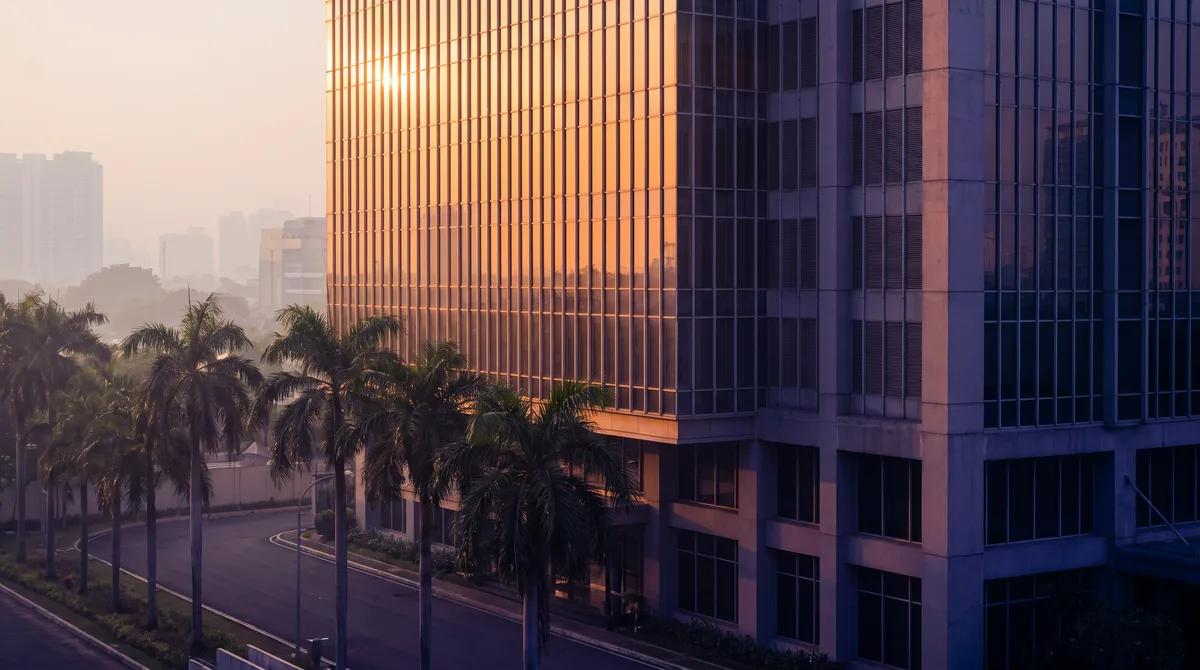
A good building heat rejection film stops 84% to 95% of total solar energy before it reaches the room. The number that states this is called TSER, and it is the figure that decides how hot your rooms will be. How dark the film looks decides nothing about heat.
Key points
- TSER is the real heat number. Our building films run from 84% to 95%, taken from the manufacturer data sheet.
- Infrared rejection is not TSER. It always sounds larger because it measures only the easiest part to stop.
- Dark is not cool. Within one film range, the lightest and darkest shades stop the same amount of infrared heat.
- The result in your building is decided by orientation, the existing glass, glass area and whatever else heats the room.
What “heat rejection” actually measures
Every data sheet carries three numbers, and quotations mix them up constantly.
TSER is total solar energy rejected. It counts all the solar energy hitting the glass: infrared, visible light and ultraviolet, as a single number. This is the figure closest to the question you are actually asking, which is how hot this room will be in the afternoon.
Infrared rejection covers the infrared part only. It almost always sounds the most impressive, because infrared is the easiest part to stop. A film can advertise 99% infrared rejection and still pass more heat than another film with a higher TSER.
UV is ultraviolet. That matters for skin, for furniture and for colours that fade, not for the temperature of the room.
So when a quotation states one large number without saying which one it is, your first question is whether that figure is TSER or infrared rejection.
What each of our building films stops
Every figure below comes from the manufacturer data sheet, and sits on the datasheets page alongside the rest.
| Film | TSER | Infrared rejection | UV |
|---|---|---|---|
| Nano UV400 | 95% | 99% | 100% |
| Silver Shadow | 92% | 87% | 96% |
| Nano HD | 91% | 99% | 99%+ |
| Nanoplus | 90% | 96% | 100% |
| SolaMax | 87% | up to 94% | 99%+ |
| Nano Silver | 84% | 88% | 67% |
Look at the two rows furthest apart. Nano UV400 stops 95% of total solar energy at 99% infrared rejection. Nano Silver stops 84% at 88% infrared rejection. The gap in infrared rejection looks small, while the gap in TSER is eleven points, and TSER is the one you feel.
Nano Frost is not in this table, because it is not a heat film. It is a privacy film, turning clear glass into something like frosted glass.
Does a darker film keep the building cooler
No. Heat is stopped by the ceramic layer, not by the colour.
Within one film range, the lightest shade and the darkest shade stop the same amount of infrared heat. What changes is how much daylight enters the room. The full explanation is in the article on what VLT measures.
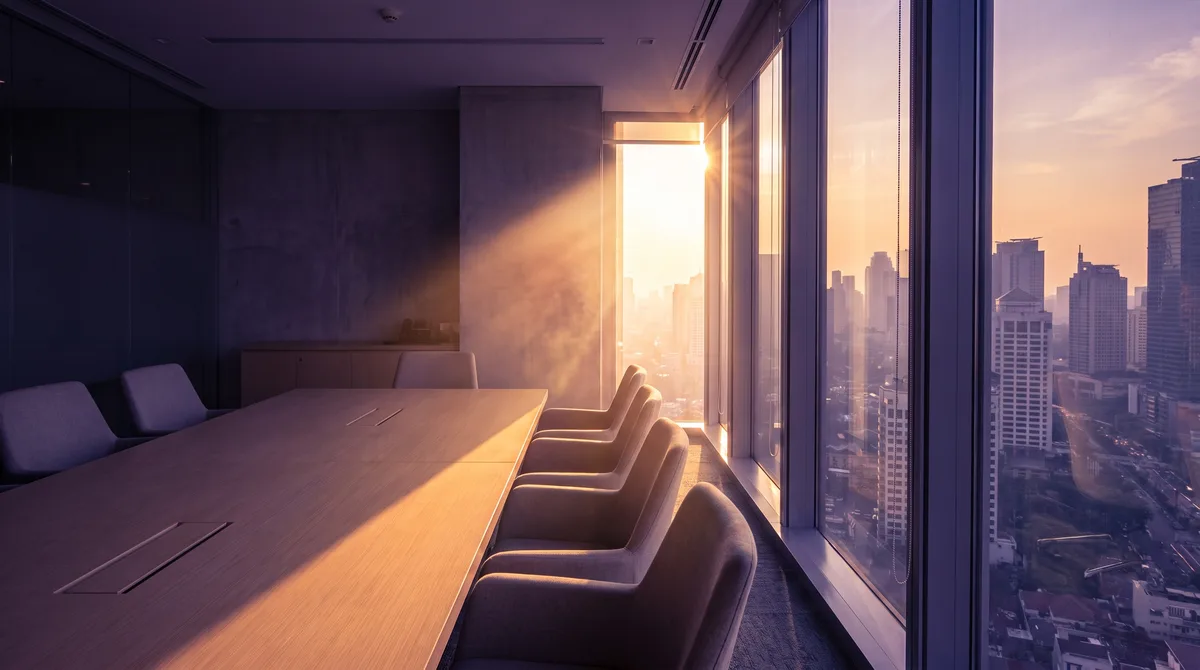
For a building, this misunderstanding is expensive. Offices need daylight. Choosing a dark film in the hope of a cooler room means paying twice: the temperature falls less than expected, while the lights stay on longer during the day. A light ceramic film stops the heat without taking the daylight.
What changes the result in your building
A film’s figures are measured in a laboratory on standard glass. What you feel in the room is decided by four other things.
Which way the glass faces. A west face takes the hardest afternoon sun, and it is the side people complain about in Jakarta. North and south faces are far gentler. One building often needs different films on different sides, and fitting the same film everywhere means overpaying on the sides that never needed it.
The glass already installed. Single glazing, double glazing, factory tinted glass and laminated glass all behave differently with absorbed heat, and some of them limit which films can safely be applied.
Glass area against room size. A meeting room walled in glass is a different problem from an office with ordinary windows, even with the same film.
What else heats that room. Lighting, equipment, how many people work there and where the air conditioning vents sit all shape the final result.
That is why we give no firm figure for a building until somebody has stood in the room and measured it.
What cooling saving is reasonable
With film installed, cooling costs in a commercial building typically fall by about 30%, est. That figure is an estimate and we mark it as one, because the real result depends on glass area, orientation, the air conditioning system and the film chosen.
What can be stated without an estimate is the load. Heat that never comes through the glass is heat your air conditioning never has to remove again. In a building with a fully glazed west face, that load is what explains why the air conditioning works hardest at the hour the building starts to empty.
What installation involves
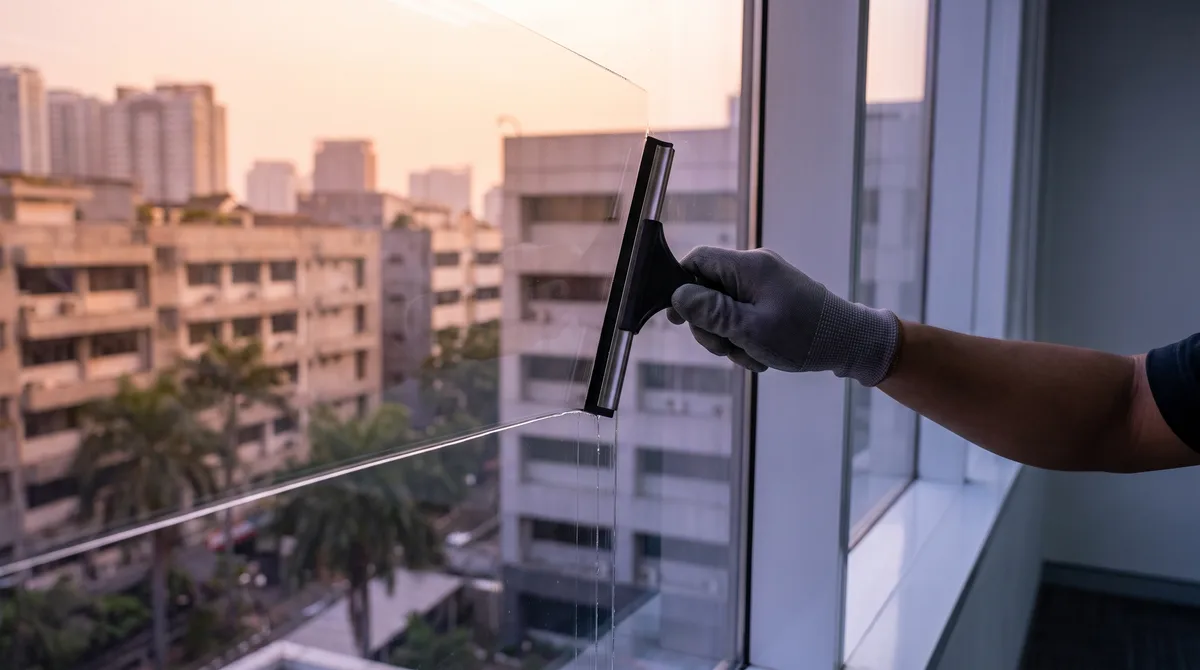
Film is applied to the inside face of the glass. There is no glass replacement and no scaffolding outside the building. We work zone by zone so a floor stays usable, and most rooms can be used again the same day. Work outside office hours can be arranged when that suits you better.
Every installation is registered for the digital e-warranty once it is finished, so the building keeps one record that can be checked at any time. How that works is described in how the e-warranty works.
What happens next
Asking us over WhatsApp costs nothing, and it is the right place to start. Send a photo of your glass, say which floor it is on and which way it faces, and we will tell you which film makes sense for that side.
A quotation for a building follows a survey, which is a scheduled, paid visit, and the fee is deducted from the invoice when you go ahead. What happens during one is described in what happens at a building survey.
Questions we are asked about this
- What is TSER on a building window film?
- TSER is total solar energy rejected, counting all the solar energy that hits the glass: infrared, visible light and ultraviolet, as one number. It is the figure closest to the question of how hot your room will be. Our building films range from 84% to 95%.
- Does a darker film stop more heat?
- No. Heat is stopped by the ceramic layer, not by the colour. Within one film range, the lightest shade and the darkest shade stop the same amount of infrared heat. What changes is how much light comes through.
- What is the difference between TSER and infrared rejection?
- Infrared rejection measures only the infrared part, which is the easiest part to stop, so the number always sounds larger. TSER measures all the solar energy. A film can claim 99% infrared rejection and still pass more heat than another film with a higher TSER.
- How much can window film cut air conditioning costs?
- Cooling costs in a commercial building typically fall by about 30%, est. That is an estimate and depends on glass area, orientation, the air conditioning system and the film chosen. What holds without an estimate is the load: heat that never enters through the glass does not have to be removed again.
- Can film be installed without replacing the glass?
- Yes. Film is applied to the inside face of the existing glass, so there is no glass replacement and no scaffolding outside the building. Work runs zone by zone so a floor stays usable, and most rooms can be used again the same day.
- Why does a building quotation have to wait for a survey?
- Two buildings with the same glass area can need different films, because the glass faces different directions and is a different type. The survey is a scheduled, paid visit, and the fee is deducted from the invoice when you go ahead. Asking us over WhatsApp costs nothing.